
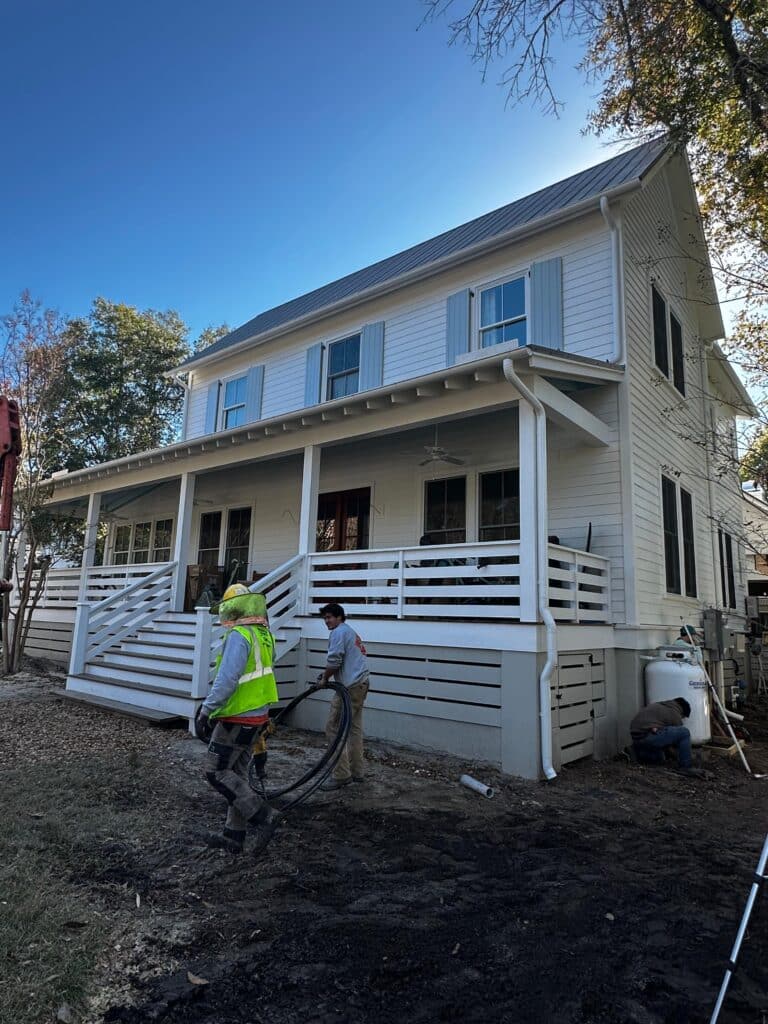
Water takes the exact path of least resistance. When a residential roof dumps heavy seasonal rain into an undersized, segmented trough, the water does not simply vanish. It piles up, gains weight, and starts pushing against the weakest physical points of the system. If the downspout is too narrow, the pitch is incorrect, or the trough lacks the volumetric capacity to handle the surge, that water immediately shoots over the front lip.
Overflow can soak the fascia boards, stain the exterior siding, wash the mulch completely out of your flower beds, and leave standing water collecting directly against your concrete foundation.
This is the daily reality for properties relying on aging, pieced-together systems. Proper gutter installation in Summerville, SC, requires more than just hanging cheap aluminum along a roofline. It requires a precise calculation of runoff velocity, calculating the necessary trough capacity, and ensuring the mechanical fasteners are driven deep into structurally sound wood.
The Roof Valley Bottleneck
The design of your roof directly dictates how water behaves before it ever reaches the gutter channel. A roof valley acts as a massive funnel. It collects and concentrates heavy runoff from two separate, steep slopes into one extremely narrow section of the gutter trough. That localized area is suddenly forced to process an intense volume of fast-moving water, even when the rest of the gutters appear perfectly sized for the overall property.
That section carries the real load.
When a standard, low-capacity system cannot process this localized, high-velocity surge, the water overtops the outer edge. Over time, the repeated friction and splash-back from this overflow will slowly erode the protective layers of paint on the siding directly below, while carving deep trenches into the soil underneath.
Why Seams Break Down Under Pressure
Traditional sectional gutters are purchased in pre-cut lengths and pieced together in sections. Every single overlap is a fundamental structural vulnerability that relies entirely on a thin layer of caulk or sealant to hold back moving water.
Sealant degrades over time.
As seasonal temperature shifts cause the aluminum segments to expand in the heat and contract in the cold, those glued joints flex and grind against each other. The sealant hardens, cracks, and eventually gives way entirely. Once a seam opens, water begins leaking down the face of the house, creating permanent vertical streaks and inviting mold growth along the exterior walls.
A custom seamless installation eliminates this primary point of failure. Because the aluminum is measured and roll-formed on the property to fit the exact, continuous dimensions of the roofline, the long horizontal runs have no splices. The water has a smooth, uninterrupted, frictionless channel all the way to the downspout outlet.
5-Inch vs. 6-Inch K-Style: Calculating Capacity
Bigger is not automatically better, but physical size dictates maximum volume. A 5-inch K-style aluminum gutter is the standard functional baseline for many residential properties with average roof pitches and moderate square footage. However, a 6-inch system holds significantly more water and features a much wider opening at the top, making it drastically harder for rapid, heavy downpours to overshoot the trough entirely.
Properties with massive unbroken roof planes or particularly steep pitches generate rapid runoff that easily gains too much momentum. Fast-moving water will simply launch straight over a smaller trough, meaning the water hits the ground with enough force to wash away landscaping and expose foundation footings.
The wider target catches the surge.
Master Gutters installs both 5-inch and 6-inch seamless aluminum K-style systems. The proper choice depends entirely on the pitch of your roof, the total surface area collecting rain, and how water currently behaves around the base of your foundation during a severe Lowcountry downpour.
The Hidden Hanger and the Fascia Board
Gutters are only as strong as the wood holding them up. The aluminum trough is secured to the structure of the home using hidden hangers—heavy-duty metal brackets spaced tightly along the inside of the gutter that screw directly through the back wall of the aluminum and deep into the fascia board.
When an existing system constantly backs up and traps standing water, it eventually soaks the wood behind it, leading to widespread fascia rot. Once the wood becomes soft and spongy, the threaded metal fasteners no longer have solid, dense material to grip, allowing the sheer dead weight of the water to slowly rip the entire run away from the roof edge.
The system begins to sag.
When you require Summerville, SC, gutter installation services, a professional must physically inspect the condition of the fascia before attaching anything new. Driving a fresh hanger screw into crumbling, deteriorated wood is a temporary illusion of a repair. The hidden hangers must bite into structurally sound wood. This ensures the system maintains its proper downward pitch toward the downspouts without bowing or separating under the extreme weight of trapped water.
Moving Water Away: Downspouts and Drainage
Catching the water effectively at the roofline is only half the physical equation. If the collected runoff is dumped directly at the base of the exterior wall, the system has effectively just moved the water from the roof straight down to the foundation slab.
Water will find the foundation cracks.
The layout, diameter, and placement of the downspouts determine how quickly the trough can empty itself during a storm. A properly placed downspout acts as a critical pressure release valve. But discharging that water safely requires specific external components like extensions or splash blocks to push the volume aggressively away from the soil immediately surrounding the home. Depending on how the property is graded, an underground drainage solution may be necessary to route the heavy discharge entirely away from the yard, preventing the lawn from acting like a saturated sponge that exerts hydrostatic pressure against your foundation.
Protecting the Trough with Gutter Guards
Open gutters act as perfect, open-air traps for pine needles, large broad leaves, heavy roof grit, and broken twigs. When this organic debris flows toward the downspout outlet, it wedges tightly into the opening and creates an impenetrable dam.
The water backs up instantly.
The weight of wet, decaying debris adds massive static pressure to the hidden hangers, drastically accelerating the sagging process. Adding heavy-duty leaf guards keeps the physical debris out of the trough entirely, while allowing surface tension to pull the liquid water down into the clear channel. Professional gutter installation Summerville, SC, properties require can significantly reduce the frequency of dangerous manual cleanings. Keeping the main channel permanently clear means the entire system can operate at full volumetric capacity when the next major storm hits.
Commercial vs. Residential Demands
Commercial buildings frequently feature expansive flat roofs or incredibly long, unbroken rooflines that generate immense volumes of sheet runoff during a localized rain event.
The physical weight is punishing.
Master Gutters routinely services both residential and commercial properties throughout the area. A commercial installation requires precise, customized calculation of downspout frequency to prevent the exceptionally long runs from overloading and collapsing. The basic physical principles of gravity and water flow remain the exact same, but the scale of the materials required and the structural demand placed on the hidden hangers increase drastically on commercial structures.
The Master Gutters Process
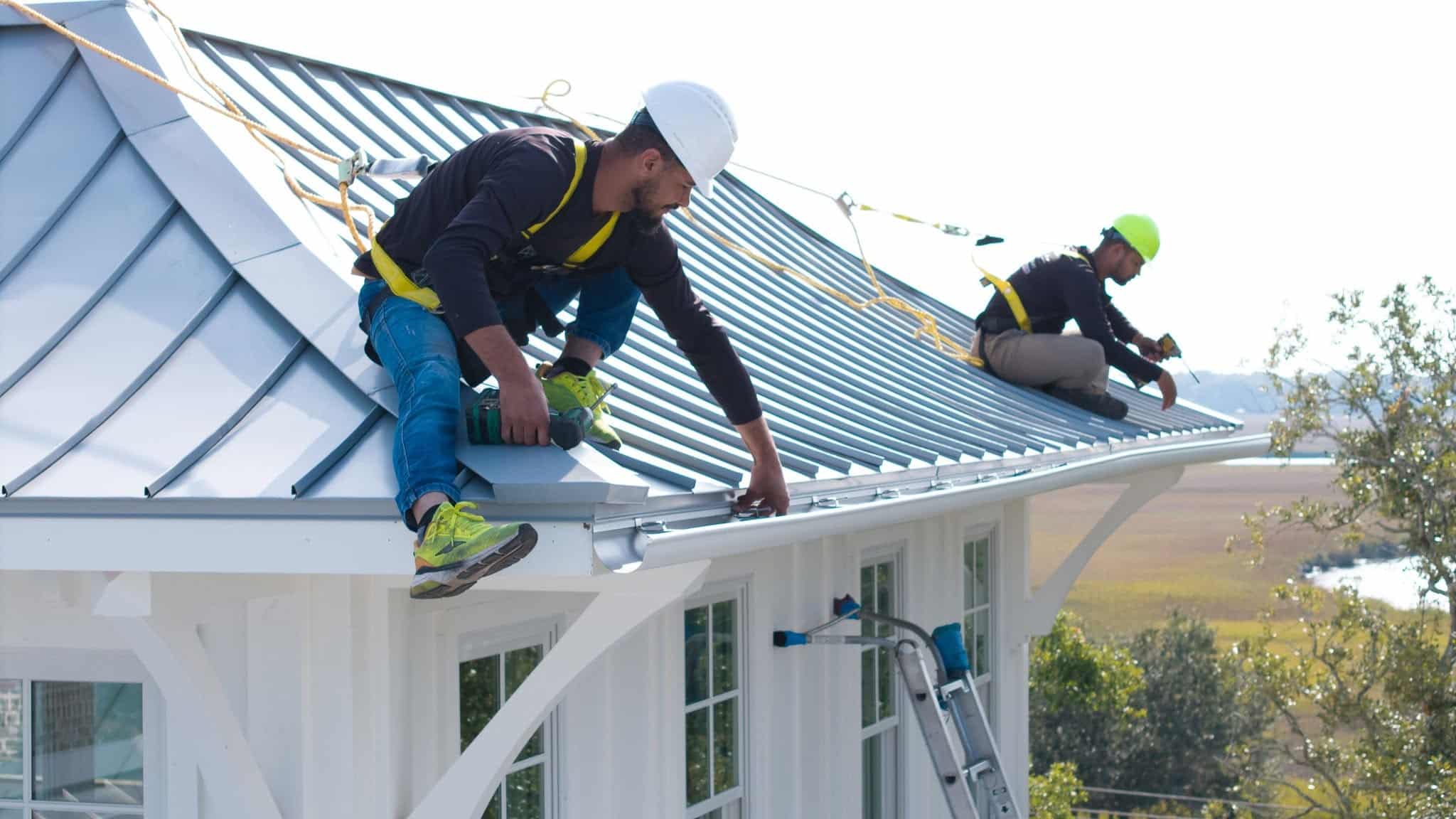
We are a family-owned and operated gutter company serving the greater Charleston Tri-county area, including Summerville, SC. We do not guess at measurements, and we do not rely on pre-fabricated, segmented lengths that will eventually leak. Every seamless system is custom-measured and roll-formed on-site to fit your property’s exact architectural dimensions.
Our team handles the complete physical integration. We install custom seamless heavy-gauge K-style gutters, secure the hidden hangers firmly into solid wood, place the downspouts strategically for maximum efficiency, and attach the necessary splash blocks or extensions. We also offer comprehensive soffit and fascia services to ensure the attachment surface is flawless before the aluminum goes up. We back our complete installations with a lifetime workmanship warranty.
That protects your investment permanently.
Schedule Your Free Estimate
Do not wait until the next major seasonal storm washes out your landscaping or begins rotting your exterior walls. If your current segmented system is overflowing, sagging, leaking at the seams, or pulling dangerously away from the roofline, it is time for a permanent, custom-fit solution.
Contact Master Gutters to physically evaluate your property and runoff variables. Call (843) 964-2053 today to request your free estimate for seamless gutter installation in Summerville, SC, and the surrounding Lowcountry.
Why Is Water Dripping Directly Behind My Gutters?
Water running behind the trough usually indicates that the gutter has physically pulled away from the fascia board or that the roof flashing is completely compromised. Once the hidden hangers loosen and back out of the wood, a large gap opens up, allowing fast-moving runoff to slide directly down the exposed fascia instead of dropping safely into the aluminum channel.
Do I Need a 5-Inch or 6-Inch Seamless System?
A 5-inch system works effectively for standard residential roof pitches with moderate water volume. A 6-inch system is absolutely necessary for steep roofs, massive surface areas, or sharp roof valleys that dump concentrated surges of water. The larger trough capacity and wider top opening prevent heavy downpours from shooting over the outer edge.
What Happens if the Fascia Board Behind the Gutter Is Soft?
Steel screws cannot grip rotted wood. If the fascia is actively deteriorating, the structural integrity of the installation is completely compromised. Master Gutters provides professional soffit and fascia services to ensure the attachment points are solid, replacing the damaged wood before hanging the new aluminum system.
Does the Installation Process Include Downspout Extensions?
Yes, where appropriate for the specific grading of the property. Dropping water directly against the exterior wall causes rapid soil erosion and foundation pooling. The custom installation process includes properly placed downspouts, necessary extensions, splash blocks, leaf guards, and even underground drainage when the property requires it to move water safely away.