
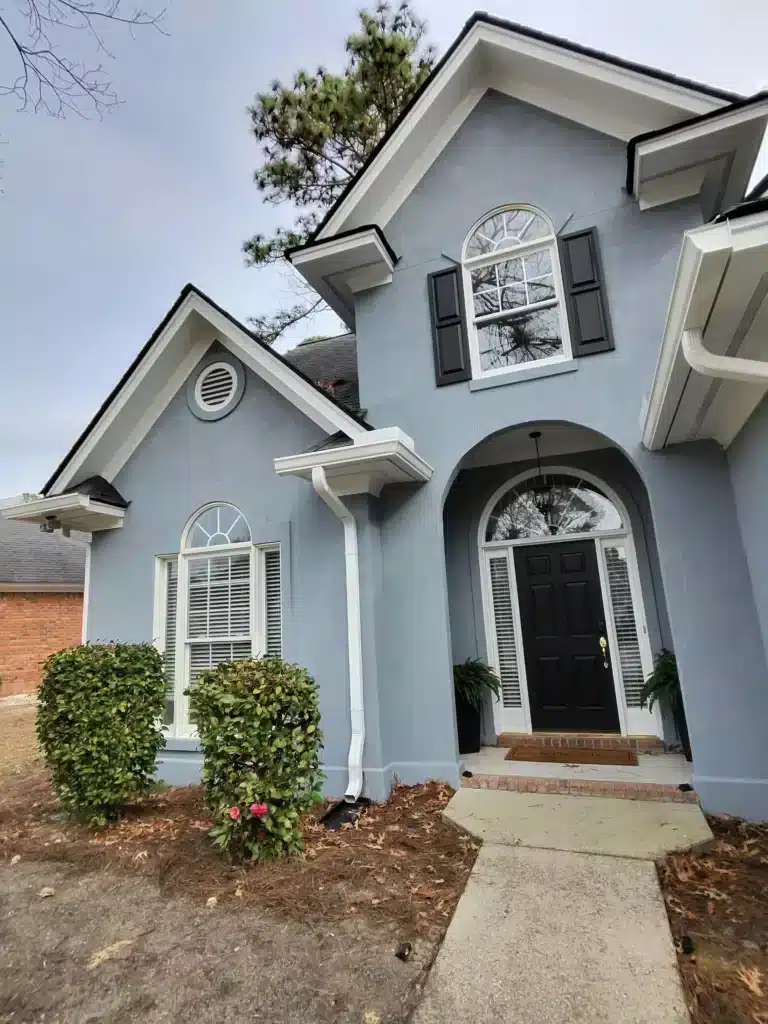
Homeowners hate spending hard-earned cash on full system replacements when a targeted fix might do the trick. Local weather in the Lowcountry brings intense afternoon cloudbursts and heavy canopy debris that stress aluminum drainage systems to their absolute limits. When rainwater starts cascading directly over your roofline like a waterfall during a summer storm, you probably wonder: Knowing whether old gutters can still be repaired effectively in North Charleston, SC
Key Takeaways
- Secure the Fascia: Rotted trim wood must be replaced before any metal repairs can hold long-term.
- Ditch the Spikes: Upgrading ancient spike-and-ferrule fasteners to structural screws permanently stops sagging.
- Strip Old Sealant: New commercial patches won’t stick unless old, crusty silicone is entirely scraped away.
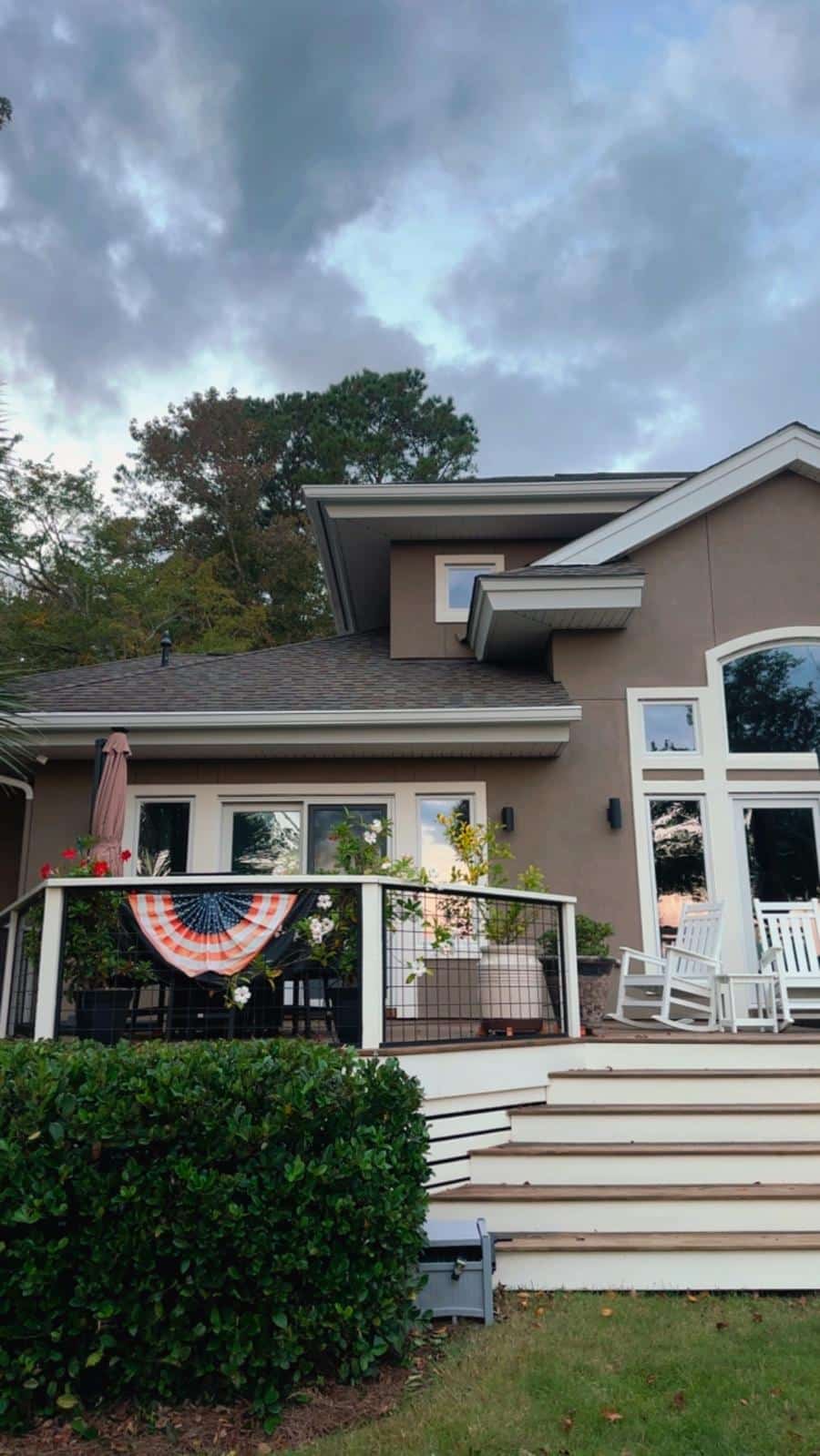
Why Do Older Aluminum Gutters Begin to Sag and Overflow?
Constant exposure to extreme coastal humidity and heavy pine debris accelerates bracket separation from the roofline. Over time, water backs up from leaf clogs, making the channels incredibly heavy and forcing standard nails to pull loose. If the metal channels aren’t fully oxidized, replacing weak hardware can often restore the correct pitch.
When Is a Damaged Drainage Channel Past the Point of a Simple Fix?
Widespread rust-through along the bottom floor and severe metal buckling mean the system requires full replacement. When aluminum sections warp out of shape from fallen tree branches or heavy physical impacts, patch kits fail immediately. Homeowners looking at weathered systems often ask, “Can old gutters still be repaired effectively in North Charleston, SC? However, structural metal collapse cannot be reversed.
How Do Field Technicians Restore Old Systems Without Tearing Them Down?
Driving long internal hidden hangers directly through the aluminum and into solid rafter tails permanently stabilizes the system. Technicians clean the joints with specialized chemical solvents before applying thick layers of fresh flexible sealant. Knowing whether old gutters can still be repaired effectively in North Charleston, SC, usually depends on the structural condition of the wood trim hidden right behind the metal line.
The Gutter Repair Process
Check the Fascia and Gutter Slope
- Inspect the wood behind the gutters for soft spots, rot, or water damage.
- Check the gutter slope to make sure water flows properly toward the downspouts.
Clean and Prepare Gutter Seams
- Remove old or damaged sealant from end caps and corner joints.
- Clean the gutter surfaces to remove dirt, pollen, sap, and other buildup before repairs.
Secure and Level the Gutters
- Remove loose, bent, or damaged nails and fasteners.
- Install strong hidden hangers to secure the gutters and help prevent sagging.
Protecting Your Home and Gutters
Prevent Water Damage
- Extend downspouts at least five feet away from the foundation to help prevent water from reaching crawl spaces.
- Remove leaves and tree debris regularly to prevent standing water and extra weight from damaging the gutters.
Proper Gutter Repairs
- Use flexible, durable sealant that can handle seasonal temperature changes.
- Fix low or sagging areas by adjusting gutter brackets instead of replacing sections that are still in good condition.
Key Drainage System Terms Homeowners Should Know
- Tripolymer Sealant: A high-elasticity commercial adhesive designed to seal metal joints because it resists long-term UV damage and pooling water.
- Hidden Hanger: An internal structural bracket that clips securely inside the trough, anchoring the gutter directly to the roof rafter tails.
- Fascia Board: The wooden architectural trim running horizontally along the roof edge that supports the weight of the entire gutter system.
- Spike-and-Ferrule: An outdated fastening style using large nails driven through open tubes, which naturally back out during heavy wind loads.
Lessons From the Field: The Hidden Culprit Behind Sagging Metal
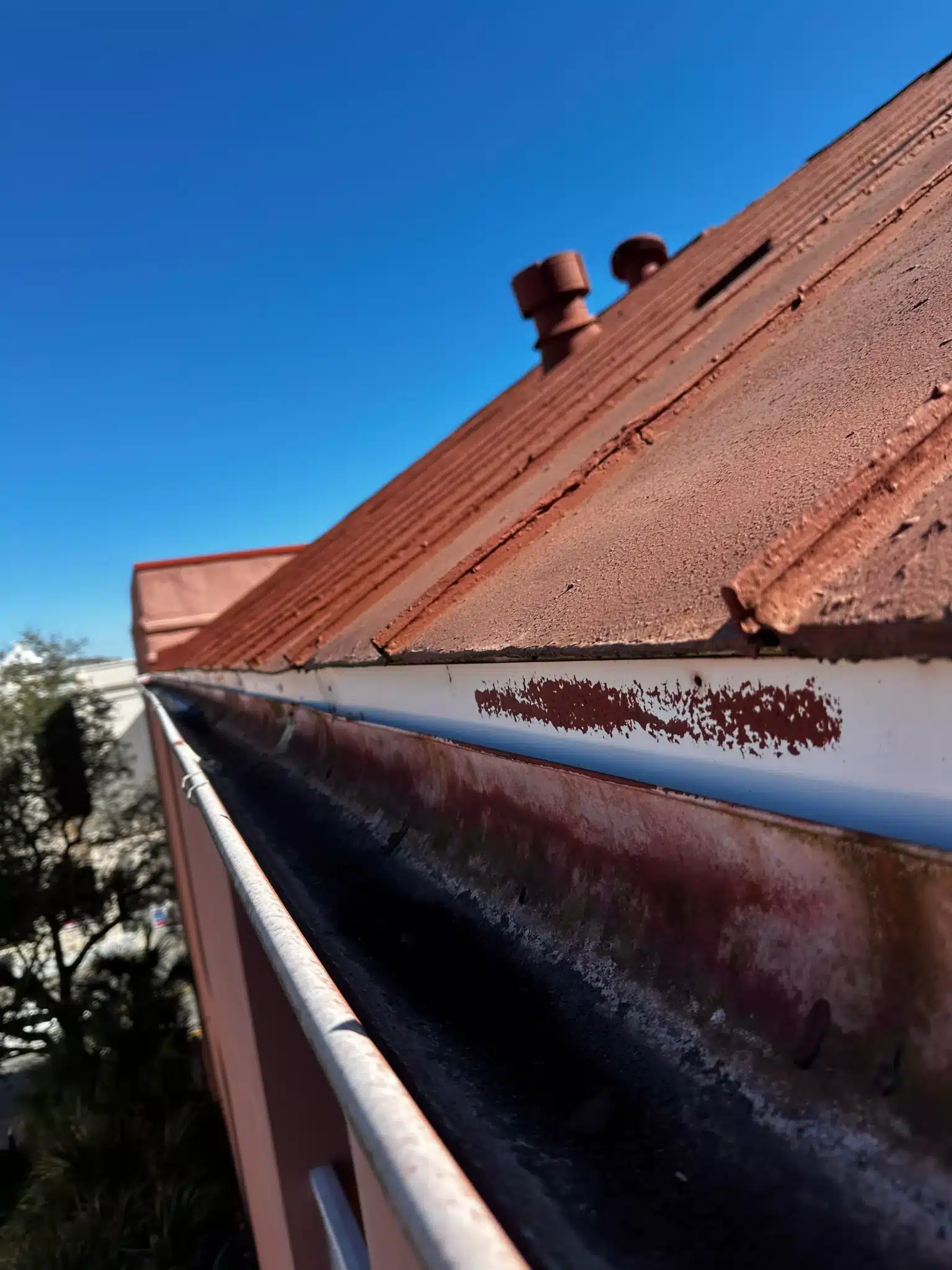
Here’s the part most contractors won’t tell you: a sagging gutter is rarely an issue with the aluminum itself. In many inspections of older homes, we find that the metal is perfectly fine, but the original installers used outdated spike-and-ferrule fasteners that loosened over time as the fascia wood deteriorated and expanded with moisture. Replacing those old fasteners with modern structural screws saves the average homeowner thousands of dollars compared to buying a whole new system. Always make sure your technician checks the wood density before telling you a repair is impossible.
Ready to Restore Your Home’s Drainage System?
Investing in professional gutter repairs helps protect your foundation from costly water damage while extending the life of your drainage system. Master Gutters specializes in stabilizing older systems, ensuring clean lines and leak-free performance through the heaviest storms. Before you write off your current installation, let our field technicians provide an honest evaluation of your home’s needs. To discover whether old gutters can still be repaired effectively on your property in North Charleston, SC, contact our local team today—call (843) 964-2053 to schedule your structural drainage assessment.
How Long Do Professional Gutter Repairs Typically Last?
A professional repair using high-grade tri-polymer sealants and heavy-duty hidden hangers can easily last 5 to 10 years. The longevity depends directly on the structural condition of your fascia boards and how regularly you clean out tree debris.
Can You Fix the Section of the Gutters That Is Pulling Away From the House?
Yes, sections pulling away from the structure can be repaired effectively if the wood underneath is still solid. Technicians remove the failing nails, realign the metal channel to the correct pitch, and secure it with heavy-duty structural screws.
Is It Cheaper to Repair or Replace Leaky Gutters?
Repairing your gutters is significantly cheaper than a full replacement, often costing only a fraction of the cost of a new seamless installation. If the metal channels remain straight and rust-free, targeting individual leaks is the most cost-effective approach.
Why Does Rainwater Leak Directly Behind My Gutter Channels?
Water leaking behind the system usually indicates that the flashing or drip edge was installed incorrectly under the shingles. It can also happen when severe clogs force water to pool backward over the rear edge of the metal trough.
Can Leaky Corner Seams Be Sealed Without Replacing the Whole Run?
Yes, leaky corner miters are easily sealed by stripping away the old, failing caulking down to the bare aluminum surface. Once the metal is clean and completely dry, applying a fresh layer of self-leveling commercial sealant stops the leak.