

A professional gutter company improves drainage in Mount Pleasant by installing properly pitched, high-capacity gutter systems and directing water safely away from your home’s foundation. Given the area’s frequent rainfall, coastal weather patterns, and proximity to marshes and coastal waterways, effective drainage solutions are essential to prevent water damage and protect your property.
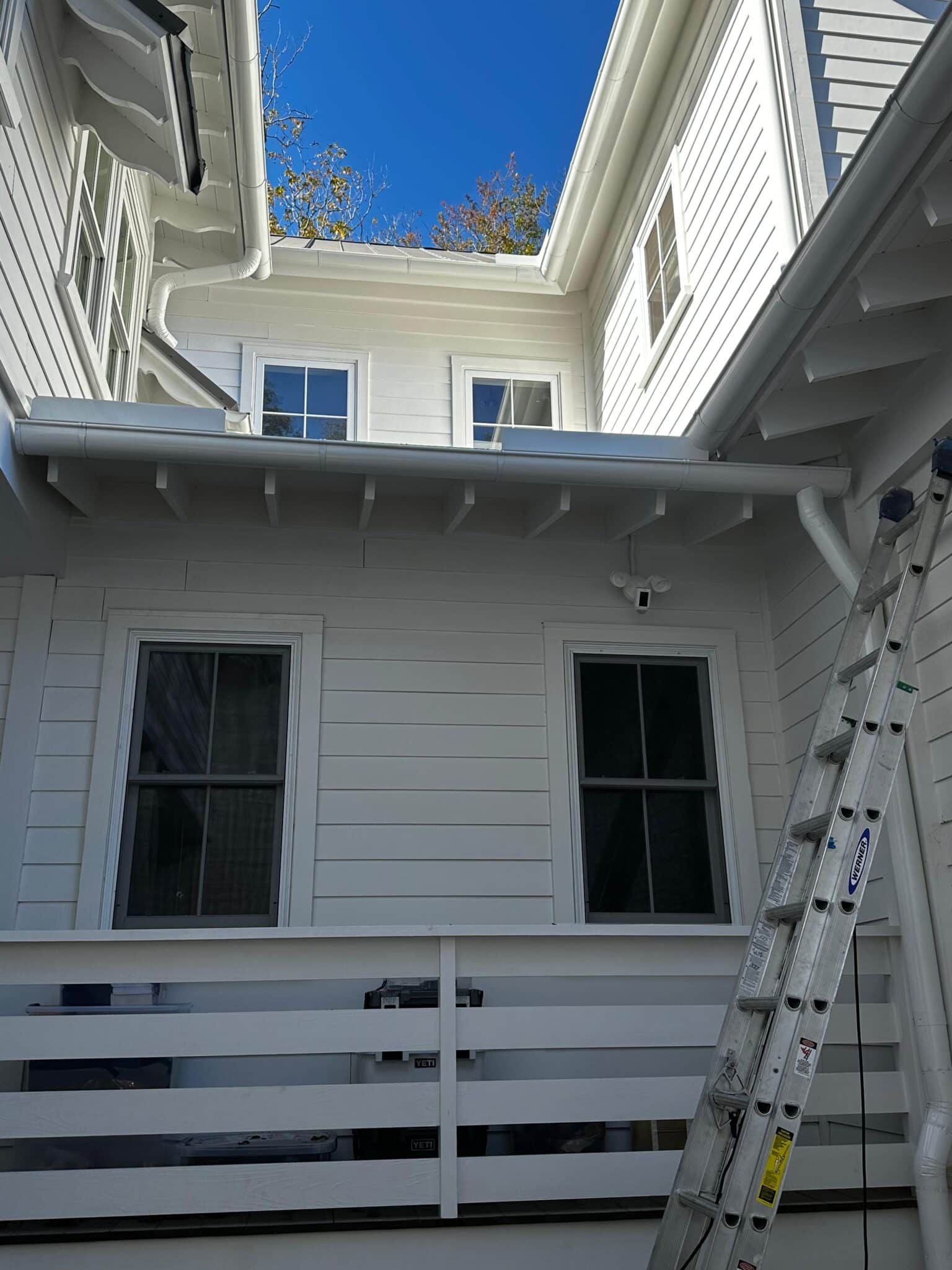
Seamless Gutters and Oversized Downspouts
One of the most effective ways to improve drainage is to install seamless gutters. Unlike traditional sectional gutters, seamless systems have fewer joints, reducing the likelihood of leaks and improving water flow.
Many homeowners in Mount Pleasant also benefit from oversized gutters and downspouts. Larger systems can handle higher runoff volumes during heavy rainstorms, helping prevent overflow and reducing the risk of water pooling around the home.
Proper Gutter Pitch
Even the highest-quality gutters will not perform properly if they are not pitched correctly. Professional installers ensure gutters have the appropriate slope to move water efficiently toward downspouts.
A correct gutter pitch helps eliminate standing water, reduces stress on the gutter system, and minimizes the risk of sagging or overflow during intense rainfall.
Downspout Extensions
Downspouts play a critical role in drainage management. Extending downspouts several feet away from the foundation helps prevent water from collecting around the home’s perimeter.
By directing runoff farther from the structure, homeowners can reduce the risk of foundation damage, soil erosion, and moisture intrusion.
Underground Drainage Systems
For properties with persistent drainage challenges, underground drainage systems provide an effective solution. Gutter runoff can be routed through buried solid pipes that transport it away from the home and discharge it at a safe location.
This approach helps eliminate standing water, improves yard usability, and reduces the likelihood of foundation-related issues caused by excess moisture.
Pop-Up Drainage Emitters
Pop-up emitters are commonly used in conjunction with underground drainage systems. These devices allow water to travel through underground piping and discharge at a lower elevation away from the home.
This results in a cleaner appearance, improved drainage performance, and better protection against water accumulation near the foundation.
Catch Basins and Surface Drainage
Catch basins help collect excess surface water before it can pool around the property. When integrated with a gutter drainage system, they provide an additional layer of protection during heavy storms.
These systems are particularly beneficial for homes located in areas prone to water accumulation or slow drainage.
Gutter Guards
Leaves, pine needles, and other debris can restrict water flow and reduce the effectiveness of a gutter system. Gutter guards help keep debris out while allowing rainwater to move freely through the gutters.
By reducing clogs, gutter guards improve drainage performance and reduce maintenance requirements year-round.
French Drains for Persistent Wet Areas
Some properties experience chronic moisture issues due to soil conditions or grading challenges. In these situations, a French drain can help manage excess groundwater.
French drains use gravel-filled trenches and perforated piping to collect and redirect water away from vulnerable areas, helping protect foundations and landscaping.
Benefits of Improved Drainage
Investing in drainage improvements can provide several long-term benefits, including:
- Reduced risk of foundation damage
- Less standing water around the property
- Improved protection against soil erosion
- Better preservation of landscaping
- Reduced moisture problems near crawlspaces and exterior walls
- Enhanced performance during heavy rainfall events
Conclusion
A gutter company can significantly improve drainage in Mount Pleasant by combining properly sized gutters, effective downspout placement, underground drainage solutions, and water-management systems designed for local conditions. These improvements help protect foundations, prevent water accumulation, and better prepare properties for the area’s frequent rainstorms, tropical weather events, and coastal climate challenges.
Improve Your Home’s Drainage with Master Gutters
Water management is one of the most important aspects of protecting your home in Mount Pleasant. Frequent rainfall, coastal weather, and periods of saturated soil can create serious drainage challenges if your gutter system isn’t functioning properly. At Master Gutters, we specialize in customized drainage solutions that help move water safely away from your property. Our team installs seamless gutters, oversized downspouts, underground drainage systems, and gutter guards designed to improve water flow and reduce the risk of foundation damage. Whether you’re dealing with standing water, overflowing gutters, or erosion around your home, we can develop a solution that fits your property’s needs. Contact Master Gutters today to schedule an inspection and discover how our professional drainage solutions can help protect your home year-round.
How Can You Tell If Your Home’s Drainage System Is Inadequate?
A drainage system that is not functioning properly often produces clear warning signs. Homeowners may notice overflowing gutters during rainstorms, standing water that remains in the yard long after rainfall, soil erosion around landscaping, or water collecting near the foundation. Other indicators may include damp crawl spaces, basement moisture, or visible signs of foundation stress from excessive water exposure. Identifying these issues early can help prevent more serious drainage and structural problems from developing over time.
Why Are Seamless Gutters Better for Drainage Performance?
Seamless gutters are designed with fewer joints and connections than traditional sectional gutter systems. Because there are fewer seams, there are fewer opportunities for leaks, separations, and debris accumulation that can disrupt water flow. This design allows rainwater to flow more efficiently through the system, reducing maintenance concerns. For many homeowners, seamless gutters offer improved drainage performance and enhance the overall appearance and durability of the gutter system.
How Far Should Downspouts Extend Away From the Foundation?
Proper downspout placement is essential for protecting a home’s foundation from water damage. In most situations, downspouts should discharge water several feet away from the structure to prevent excessive moisture from accumulating around the foundation. Moving water away from the home helps reduce soil saturation, minimizes the risk of foundation settlement, and decreases the likelihood of moisture intrusion into crawl spaces or basements. The exact extension distance may vary depending on the property’s grading and drainage conditions.
Do Gutter Guards Improve Drainage Performance?
Gutter guards can improve drainage performance by helping prevent leaves, twigs, and other debris from clogging the gutter system. When gutters remain free of obstructions, rainwater can flow more efficiently through the troughs and downspouts, even during periods of heavy rainfall. While gutter guards do not eliminate maintenance, they can significantly reduce debris buildup and help maintain consistent drainage performance year-round.
When Is a French Drain Necessary?
A French drain may be recommended when traditional drainage solutions are not enough to manage excess water on a property. Homes that experience persistent standing water, poor soil drainage, recurring foundation moisture, or water pooling in low areas may benefit from a French drain system. These systems collect groundwater and redirect it away from problem areas, helping to reduce saturation and improve overall drainage. French drains are often used in conjunction with gutters, downspout extensions, and grading improvements as part of a comprehensive water management strategy.
Thank you for reading. Stay tuned for more updates.